

Replacing major plant and equipment is expensive, disruptive and difficult to justify when budgets are tight. The good news is that many mechanical and electrical assets still have years of productive life left in them, provided they are assessed and maintained correctly. Extending asset life is not about delaying the inevitable. It is about ensuring equipment operates safely, efficiently and in line with the job it needs to do.
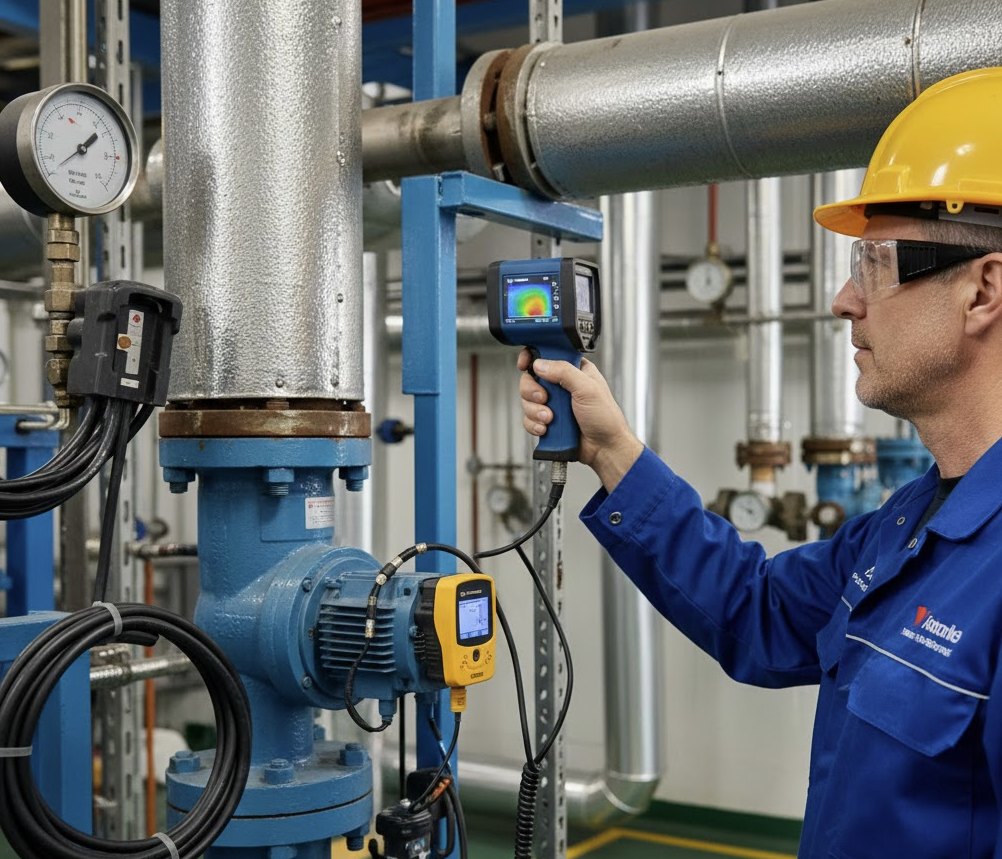
A structured asset condition survey is the starting point. This goes beyond a simple visual inspection. It looks at operating hours, control strategies, maintenance history, failure trends and actual performance against design expectations. Very often, assets are not failing because they are old, but because they are being run outside their intended conditions.
Simple interventions can deliver significant benefits. Recommissioning, recalibrating sensors, updating controls and improving water treatment or filtration can all restore performance. In some cases, targeted component replacement such as motors, drives or burners provides most of the benefit of full replacement at a fraction of the cost.
Life extension strategies should also consider energy efficiency. Older plant can perform surprisingly well once it is tuned correctly. Combining condition-based maintenance with continuous monitoring allows issues to be detected early, avoiding catastrophic failures and unplanned downtime.
There will always be a point where replacement becomes the right choice, particularly when moving towards low-carbon technologies. However, having reliable asset data allows organisations to plan this transition sensibly, rather than reacting to breakdowns.
Taking a proactive, engineering-led approach protects capital budgets, reduces operational risk and supports Net Zero ambitions by making better use of what is already installed.
