

Net Zero commitments are becoming increasingly common across industry, but many manufacturers still feel unsure where to begin. The scale of change can appear daunting. Fortunately, meaningful progress usually starts with a small number of practical steps.
The first is understanding the baseline. Detailed energy and fuel data reveal which processes dominate consumption. In most manufacturing environments, compressed air, space heating, motors and process heat account for a high proportion of demand. Once those major loads are identified, a structured action plan can be developed.
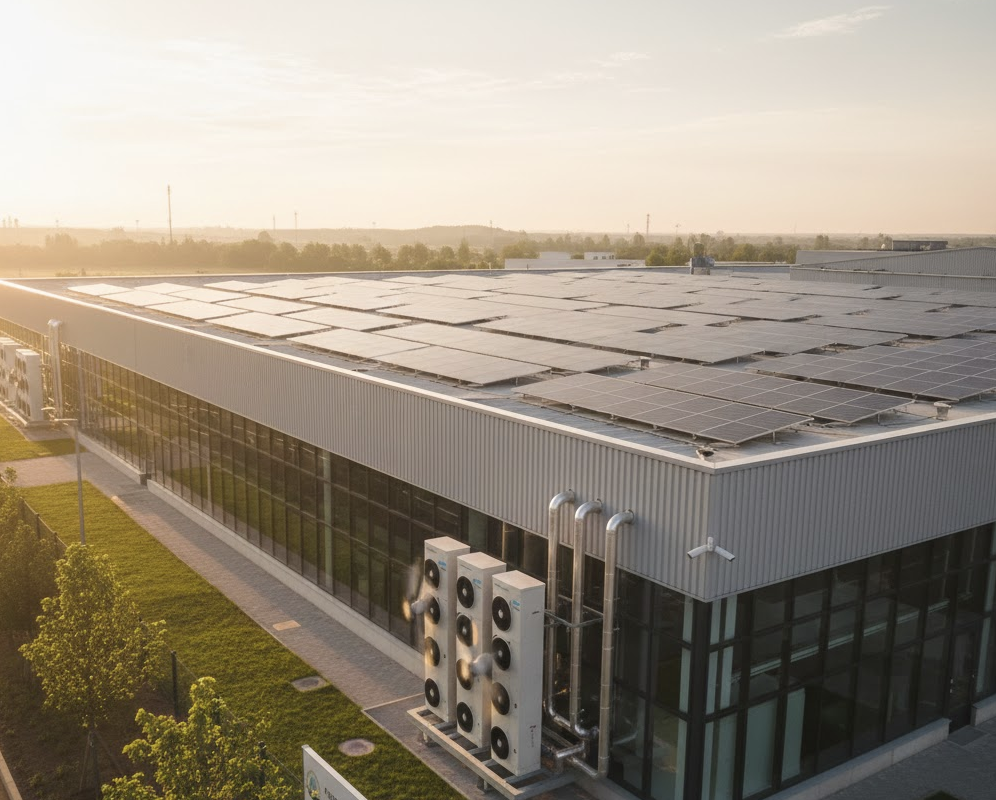
Quick wins often include fixing compressed air leaks, improving insulation, addressing heat loss, resetting controls and eliminating unnecessary running hours. These require modest investment yet deliver noticeable savings. At the same time, organisations can map out longer-term transitions such as electrification of heat, high-efficiency motors, heat recovery and on-site renewables.
Net Zero should be seen as a staged journey rather than an overnight transformation. Each improvement builds capability, improves data quality and strengthens the business case for the next step. Cultural engagement is critical too. When operators understand why changes are happening and can see results, adoption is much smoother.
Crucially, Net Zero planning must connect with commercial priorities. Reduced energy costs, brand reputation, supply chain expectations and resilience to fuel price volatility all support the business case. Manufacturers who move early often gain competitive advantage while reducing risk exposure.
With measured baselines, realistic roadmaps and robust engineering support, Net Zero becomes less of a slogan and more of a manageable, value-driven programme of work.
